
India - Make 16 Years Social Media Citizenship Age

Lorem ipsum
dolor mit samet et omnia

Porto et montero via mille Allen Mitrande
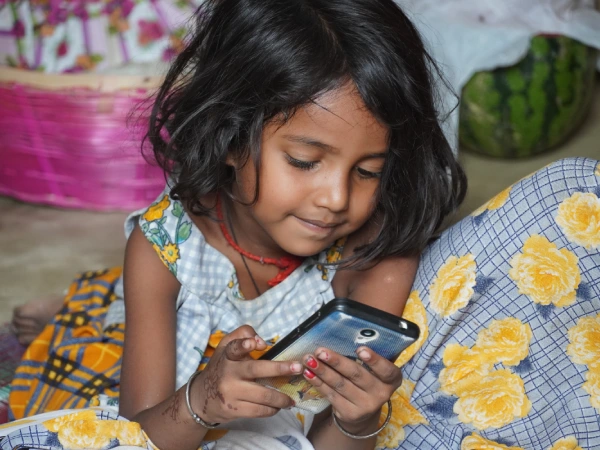
Give Them Back Their Childhood.
#BachpanBachao
India faces a national emergency. While Big Tech harvests $USD 100+ billions from our youth, 100 million Indian children under 16 are trapped in a “Digital Nasha.” Predatory algorithms steal six hours daily, fueling anxiety and sleep debt.
We demand an immediate BAN to save our next generation. Use the Aadhaar Shield to protect their innocence. This stops now. #BachpanBachao
The Crisis in Our Homes
Digital Nasha (Digital Addiction)
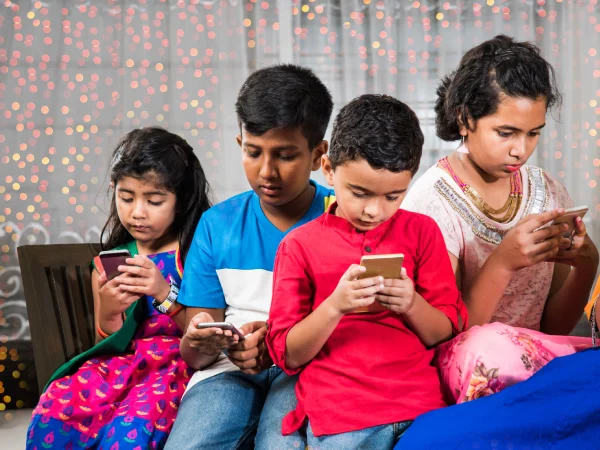
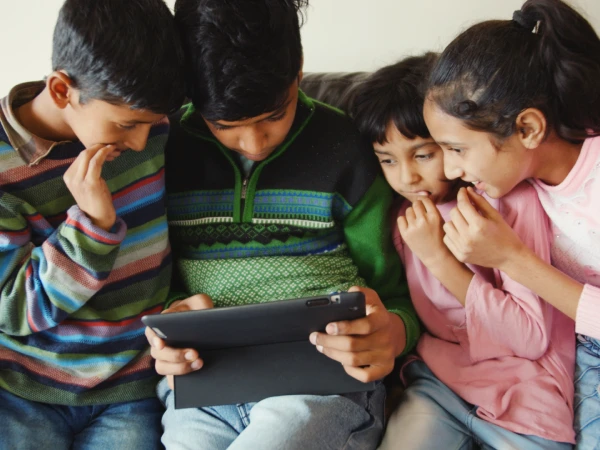
76% of Indian teens use phones for social media, while only 57% use them for education (ASER 2024).
“Digital Nasha” is real: Algorithms are designed to exploit the developing brains of 13-15 year olds, causing “Sleep Debt,” anxiety, and a loss of productivity.
The “Infinite Scroll” Trap: Our youth are losing their focus and academic potential to unmonitored reels and toxic digital comparison.
The "Parental Shield" – Our Solution
We are not just asking for a ban; we are asking for a Parental Shield. When the law says 16+, it empowers Indian parents to say “No” to their children without the fear of social isolation. It takes the pressure off the family and puts the responsibility where it belongs: on the Platforms.
Our 4 Core Demands:
ENFORCE A HARD BAN: Raise the legal age for social media citizenship from 13 to 16. No excuses.
STOP DATA HARVESTING: No platform should be allowed to track, profile, or “target” an Indian child under 16.
STRICT PUNISHMENT: Hold Big Tech accountable. We demand a fine of $1 Million USD (₹8.3 Crore) per underage account and criminal liability for executives who ignore the law.
THE AADHAAR SHIELD: Use India’s world-class digital infrastructure (DigiLocker/Aadhaar tokens) for secure, privacy-first age verification.
India is Waiting. The World is Acting.
Australia has already protected its youth. Spain and France are following suit. Even our own Madras High Court and the 2026 Economic Survey have urged the government to act.
What is India waiting for?
Every day we delay, we lose another generation to the “Digital Nasha.”

Rebuilding the ecosystem around adolescence.
We continue to support grassroots movements campaigning for policy change in India. We encourage you to signour petition, or reach out to us if you would like some help with your own.
We’re also addressing other points of failure in the ecosystem around teenagers and building innovative solutions to strengthen these in schools, homes and workplaces.
Algorithms are 'Predatory by Design': They target our children exactly when they are most vulnerable, 13 years is the inflection point in child's development.
As India’s Chief Economic Adviser (CEA) officially stated in January 2026, these platforms are not passive tools; they are designed to exploit the developing minds of our youth. Whether it’s late-night “Reel addiction” or the pressure of academic comparison, the algorithm knows exactly when an Indian teen is seeking an escape and it ensures they never leave.
Reference: Economic Survey 2025-26; CEA V. Anantha Nageswaran (Jan 2026).
You cannot 'out-parent' a $1 Trillion dollar AI. It's time for the 'Parental Shield'. Governments is Responsible
Indian parents are often blamed for their children’s screen time, but how can a mother or father compete with a weaponized algorithm designed by thousands of the world’s smartest engineers? This isn’t a parenting failure; it’s a technological ambush. We need the 16 Years Law to act as a Parental Shield, giving families the legal backing to protect their homes from “Digital Nasha.”
This is no longer a 'screen time' debate. it is a National Public Health Emergency, We lost an entire generation to Covid screen addiction.
We are moving beyond talk of “internet safety.” With millions of Indian teens suffering from “Sleep Debt,” chronic anxiety, and “Digital Dependency” (as flagged in the 2026 Budget Session), social media has become a public health crisis on par with any epidemic. Raising the age to 16 is the “Digital Vaccine” India needs to save its next generation.
Reference: Ministry of Electronics and IT (MeitY) & National Commission for Protection of Child Rights (NCPCR) 2025-26 Reports.
The Blueprint Summary
1

#BachpanBachao (Save Childhood)
We aren’t against the internet; we are for academic focus, mental peace, and real-world friendships.
2

Amend Digital Personal Data Protection (DPDP) Act 2023
Demand an amendment to the IT Rules that moves India from a “Parental Consent” model (where 13-year-olds can join if parents say yes) to a “Hard Age Gate” of 16 for social media and high-risk online gaming.
3

Our Change.org petition
Our Change.org petition isn’t just a list of names; it is public evidence for the Ministry of IT (MeitY).
4
Single Ask
The One Ask: “Raise the social media citizenship age to 16. Give them an extra 36 months to grow before the algorithms take over.
5

Voice of of Helpless Parents Against the Peer Pressure
Experts and their research play an important role, but parents who bravely advocate for change in the face of grief and loss have the most impact.
6
The "Aadhaar Shield"
A user connects via DigiLocker or a dedicated Aadhaar Age Token. The social media platform receives only a “YES” or “NO” response to the question: “Is this user 16 or older?
FAQ
Why 16? Why not stick with the current age of 13?
At 13, the brain’s “impulse control” center, the prefrontal cortex, is still under construction. Research shows a direct correlation between social media overexposure and a national spike in anxiety, depression, and self, harm among Indian teens. Raising the age to 16 provides a critical 36, month window for biological maturity, giving teenagers the “mental brakes” they need to handle weaponized algorithms.
Is there proof that social media is hurting Indian children?
Yes. The 2026 Economic Survey officially labelled digital addiction a “silent scourge” in India. Out of 500 million active accounts, nearly 100 million belong to children under 16 who are trapped in “Digital Nasha.” While Big Tech has harvested over $100 Billion from Indian data, our youth are suffering from record, high levels of sleep debt and academic decline.
Isn’t better education a more nuanced solution than a "ban"?
Education and legislation are not a choice of “one or the other”, the answer is both. You cannot “educate” a 13, year, old to resist an algorithm designed by thousands of engineers to hook them. We teach fire safety, but we still don’t let children play with matches. A legal boundary is the “Digital Vaccine” that makes education effective.
Will these new laws infringe on my privacy rights?
Do not let Big Tech use “Privacy” as a mask for “Profit.” Companies are already legally responsible for your data. We advocate for the “Aadhaar Shield”, using India’s world, class digital infrastructure to verify age via secure, private tokens. The platform gets a “Yes/No” confirmation of age without ever seeing your name, ID, or personal data.
What about teenagers who rely on social media for community?
Social media trades in comparison, not community. While platforms promise connection, 40% of youth now report feeling deeply lonely, a massive increase over the last decade. True community requires shared vulnerability; social media is just an audience. We are losing the “digital mirage” to find real, world social connection.
What about the "Youth Voice"? Are we silencing them?
Actually, Gen Z is breathing a sigh of relief. Global data shows that 91% of Gen Z support stronger restrictions. They are tired of the “digital scoreboard” and the constant fear of missing out (FOMO). By removing the scoreboard, we liberate them to build an identity based on reality, not “likes.”
How will these laws be enforced?
The onus is on the platforms, not the parents. If a social media giant can build a global real, time network and predict your shopping habits, they can certainly figure out your age. We demand a fine of $1 Million USD (₹8.3 Crore) per underage account to ensure safety is more profitable than exploitation.
Is this a total internet ban?
No. We are targeting “Addiction Engines”, platforms with infinite scrolls, gamified “streaks,” and predatory algorithms (like Instagram, TikTok, and Snapchat). Educational tools, messaging apps like WhatsApp, and utility sites like Wikipedia will remain accessible. We are banning the addiction, not the information.
Why call it a "Parental Shield"?
Currently, Indian parents are in an impossible position, feeling forced to say “Yes” to social media because “everyone else is doing it.” A national law of 16+ acts as a Parental Shield, giving families the legal backing to protect their homes and making the platform, not the parent, responsible for the gatekeeping.
How can I help the #16YearsIndia movement?
This is a #BachpanBachao (Save Childhood) mission. You can sign the petition at 16years.in, download our Parent Toolkit for your school’s WhatsApp groups, and email your local MP to support the Social Media Age Restrictions Bill 2026.


India - Make 16 Years Social Media Citizenship Age
Change the Law